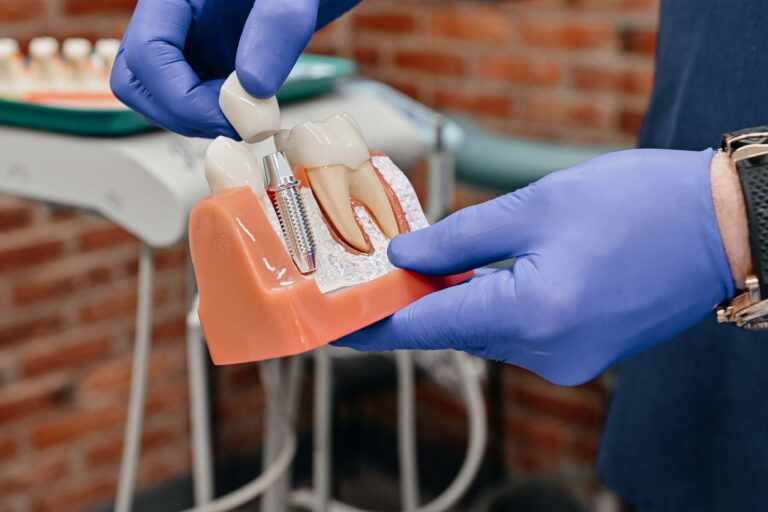
When comparing Dental Implant vs Partial Denture options, both can effectively replace missing teeth, but they work very differently. A dental implant is surgically placed in the jawbone to support a replacement tooth, while a partial denture is removable and typically uses remaining teeth for support. The right choice depends on your oral health, missing teeth, treatment goals, budget, and whether you are comfortable undergoing surgery.
Missing teeth can affect how you chew or speak, and nearby teeth may shift over time. If you're comparing Dental Implant vs Partial Denture, understanding the practical differences can help you discuss your options with your dentist.
A dental implant is an artificial tooth root surgically placed into the jawbone. After it integrates with the surrounding bone, it can support a crown or another dental restoration.
Because an implant is anchored in the jaw rather than relying on removable clasps, it can provide stable support for a replacement tooth. The FDA lists potential benefits of dental implants such as restoring chewing ability, helping preserve surrounding bone and gums, and helping keep adjacent teeth stable.
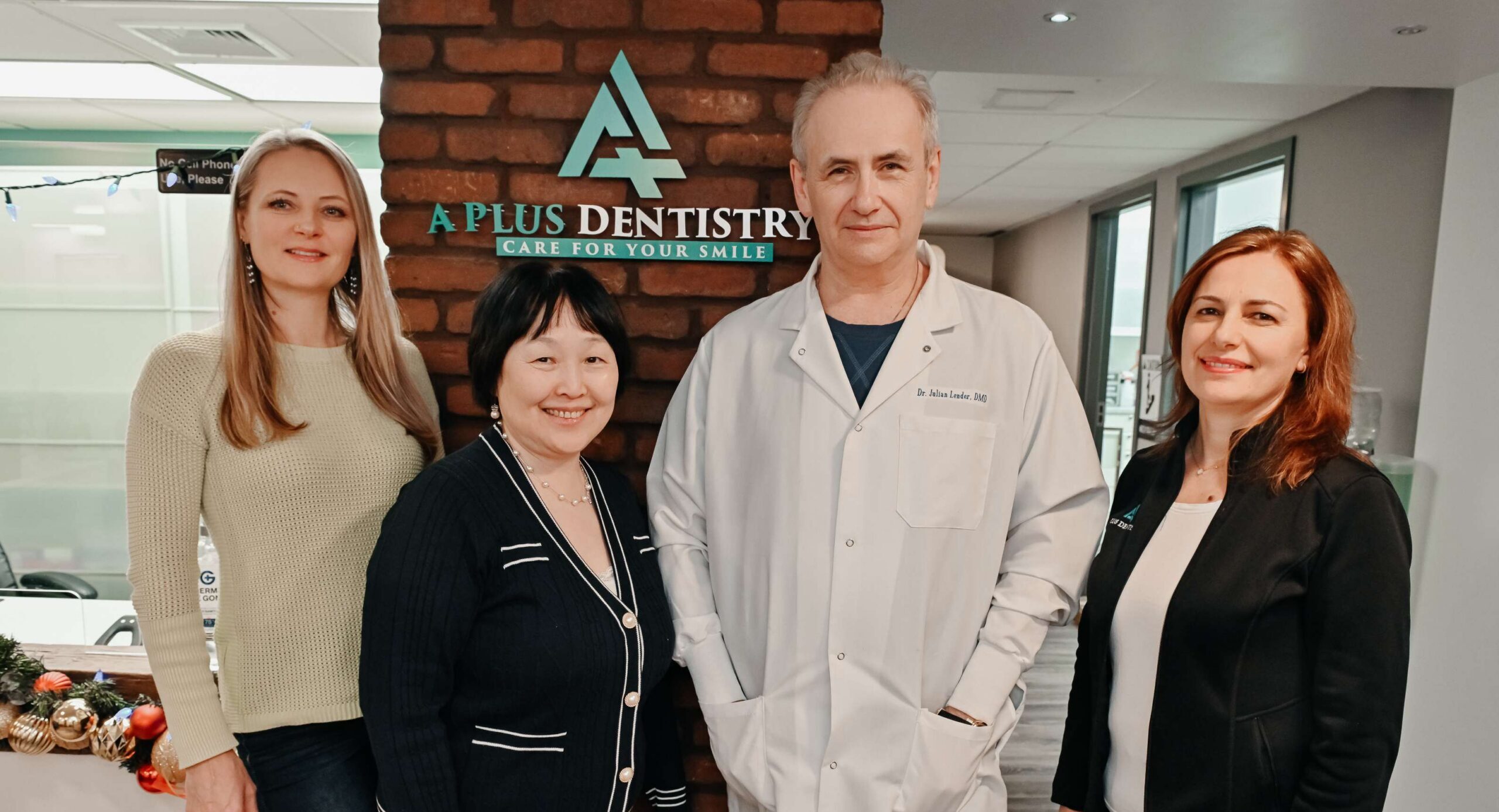
At A Plus Dentistry in Brookline, MA, dental implants are one option for replacing missing teeth when a patient's oral health and treatment needs make implant therapy appropriate.
A partial denture replaces one or more missing teeth while some natural teeth remain. Partial dentures typically contain replacement teeth attached to a gum-colored base. Depending on the design, they may use a metal framework, clasps, or other connectors that attach to natural teeth.
Unlike a fixed implant restoration, a traditional partial denture can be removed for cleaning and typically at night.
Partial dentures may be considered when:
One of the biggest differences between a Dental Implant vs Partial Denture is how each replacement stays in place.
Dental implants are placed into the jawbone. During healing, the bone integrates with the implant in a process known as osseointegration, creating a stable foundation for the replacement tooth. Because the implant becomes securely anchored in the jawbone, it can provide strong, stable support without the movement that may occur with a removable denture.
A partial denture rests in the mouth and may use clasps or attachments connected to remaining teeth for support. A properly fitted partial denture can improve chewing and speaking, although it may take some time to get used to wearing it. Adjustments may also be needed to improve the fit and address areas of discomfort.
A single dental implant can replace a missing tooth without relying on adjacent teeth for support. Because the implant is anchored in the jawbone, neighboring healthy teeth generally do not need to serve as supports for the replacement tooth.
Partial dentures commonly use remaining teeth for support through clasps or other attachments. Depending on the design, some natural teeth may require additional preparation or restorations to help provide proper support and fit. This makes the condition and strength of the remaining teeth an important part of treatment planning.
Neither option is maintenance-free.
Dental implants cannot develop cavities themselves, but the tissues around them still need to remain healthy.
Daily brushing and appropriate cleaning around the implant are important. The American Academy of Periodontology recommends regular home care and professional follow-up because plaque and inflammation can affect the gum and bone tissues surrounding an implant.
The ADA recommends brushing partial dentures daily to remove food deposits and plaque. At night, the denture should generally be placed in water or an appropriate soaking solution, following your dentist's instructions.
Your remaining natural teeth and gums also require regular brushing, interdental cleaning, and professional dental care.
Yes. Dental implant placement is a surgical procedure.
The implant is surgically inserted into the jawbone, where it must heal and integrate with the surrounding bone. According to the U.S. Food and Drug Administration (FDA), the healing process for the implant body may take several months or longer.
Some patients may also need additional procedures, such as bone grafting, if there isn't enough healthy bone to support an implant.
As with any surgery, implant placement has potential risks, including infection, injury to surrounding structures, nerve-related symptoms, and implant failure. Your dentist should discuss your individual benefits and risks before treatment.
A conventional removable partial denture generally avoids implant-placement surgery, which may appeal to patients who prefer a nonsurgical approach.
Cost is an important consideration when comparing a Dental Implant vs Partial Denture.
A removable partial denture may have a lower initial cost in many situations, while implant treatment can include surgery, the implant itself, an abutment, and the final restoration. However, costs vary considerably between patients.
Dental implant costs may depend on:
Partial denture costs can vary based on materials, number of missing teeth, attachments, and whether additional dental work is required.
Consider both the initial cost and expected long-term maintenance. Ask your dentist for a treatment plan explaining what is included in each option.
Not everyone with a missing tooth is automatically a candidate for an implant.
According to the American Academy of Periodontology (AAP), good general and oral health, adequate jawbone to support the implant, and healthy gum tissues free of periodontal disease are important considerations for dental implant candidates.
Your dentist may evaluate:
If bone volume is insufficient, additional treatment may sometimes make implant placement possible. Whether this is appropriate depends on the individual case.
A partial denture may be considered when a patient has one or more missing teeth but still has natural teeth remaining.
It may also be an option when:
Remaining teeth and gums still need to be evaluated because they may help support the partial denture.
There isn't one option that's appropriate for every patient.
A dental implant may be considered if you want a fixed, stable tooth replacement and have adequate oral and general health for implant surgery.
A partial denture may be considered if you need to replace multiple teeth, want to avoid surgery, prefer a removable option, or have financial or health considerations that affect implant treatment.
Ask your dentist:
A comprehensive dental examination can help answer these questions based on your individual needs.
Dental implants are fixed into the jawbone and generally provide greater stability than a conventional removable partial denture. Partial dentures rely on their fit and support from remaining teeth and oral tissues and are designed to be removable.
Yes. A removable partial denture can replace one or several missing teeth when some natural teeth remain.
A single implant is supported by the jawbone and does not require neighboring teeth to support the implant itself. Nearby teeth and other anatomical structures still need to be evaluated during implant planning.
Dental implants require consistent oral hygiene and professional dental care. Although an implant cannot develop a cavity, plaque and inflammation can affect the surrounding gums and bone.
A dental implant often involves a higher initial investment because treatment can include surgery, the implant, an abutment, and the final restoration. Costs vary by case, so compare the complete treatment plan, maintenance needs, and insurance coverage rather than initial price alone.
Choosing between a dental implant and partial denture isn't always straightforward. A personalized consultation can help you understand which option fits your oral health, bone support, remaining teeth, budget, and long-term goals.
At A Plus Dentistry in Brookline, MA, we'll evaluate your smile, review your tooth replacement options, and explain the differences in treatment time, maintenance, and cost. You'll leave with a clearer understanding of what may work best for your individual needs.
📞 (617) 264-9200
📍 320 Washington Street, Brookline, MA 02445
Schedule your consultation today and take the first step toward restoring your smile with a treatment plan designed around you.
If you have any comments and or suggestions relating to improving the accessibility of our website, please don’t hesitate to contact us. Your feedback will help us make improvements.
Plan your visit today! Check out our office hours below